
Give your staff the confidence that you’ve got their back – see where lone workers are at all times, inside or out, and detect red flags quickly for a rapid response
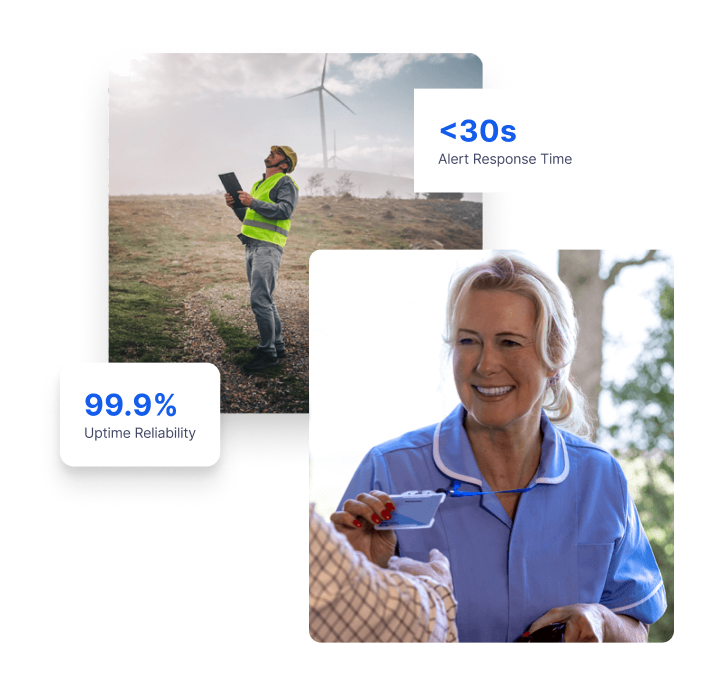
Our range of lone worker protection systems are designed to cover all working environments.
Full protection inside and out
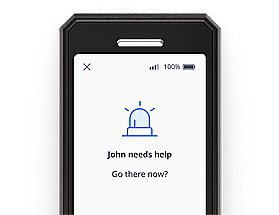
Basic indoor SOS and location

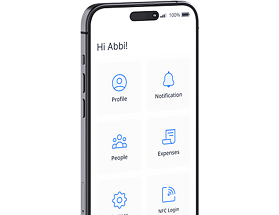
Fast protection, no new equipment
No hard sell. Just see if Sense fits your organisation.
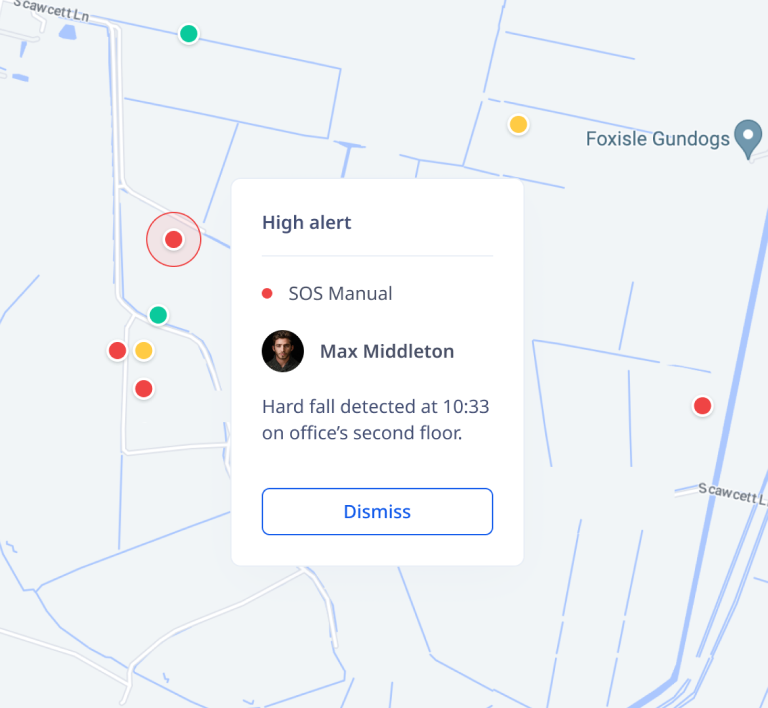
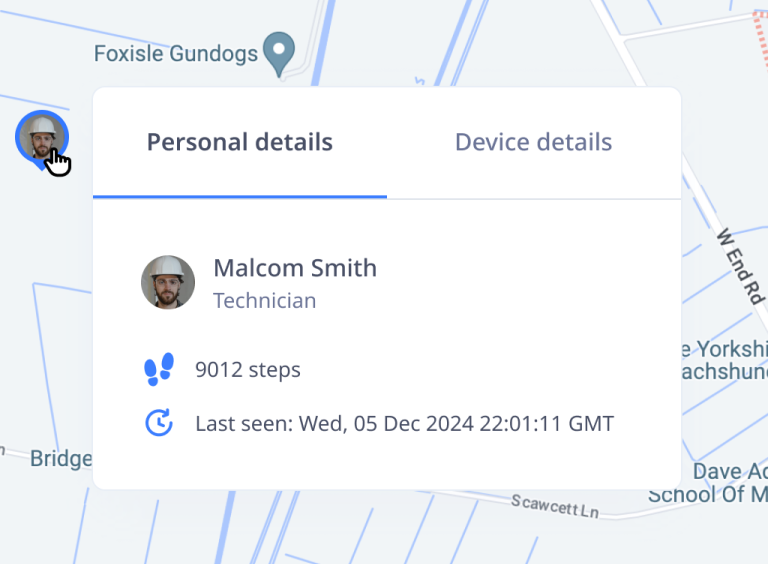
Your own real-time map shows you exactly where each lone worker is, and what they’re up to – even in complex, indoor environments. Our combination of outdoor GPS and indoor bluetooth technology can tell you precisely which site, building, or even room, each person is in.
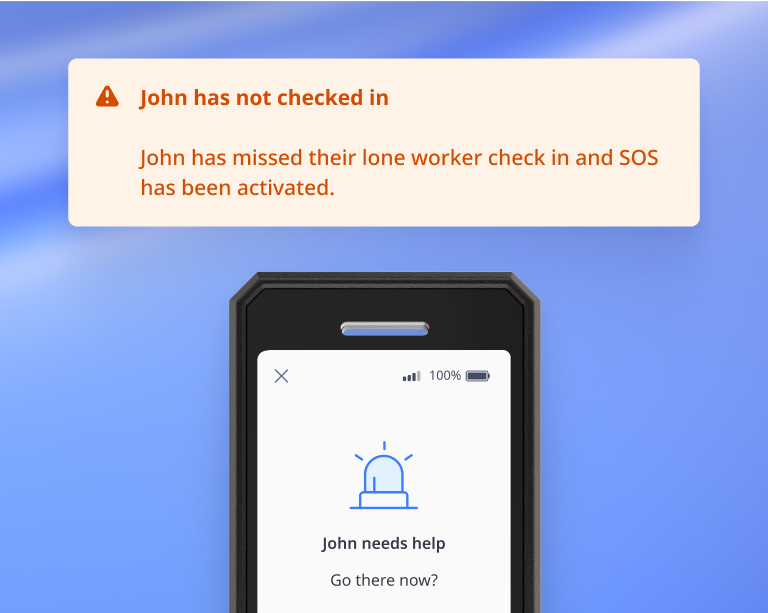
Set check-in intervals to say how often your lone workers need to mark themselves as “safe”. Missed check-ins are flagged as potential problems, and send the worker’s location and status to the nearest available colleague. You can even set your own custom escalation rules.
Give lone workers a better sense of security… whether you’re using the app, the badge, or the tag, there’s always a way for lone workers to call for urgent help in the form of SOS and panic buttons. Instantly broadcast their current location to the nearest available colleague.
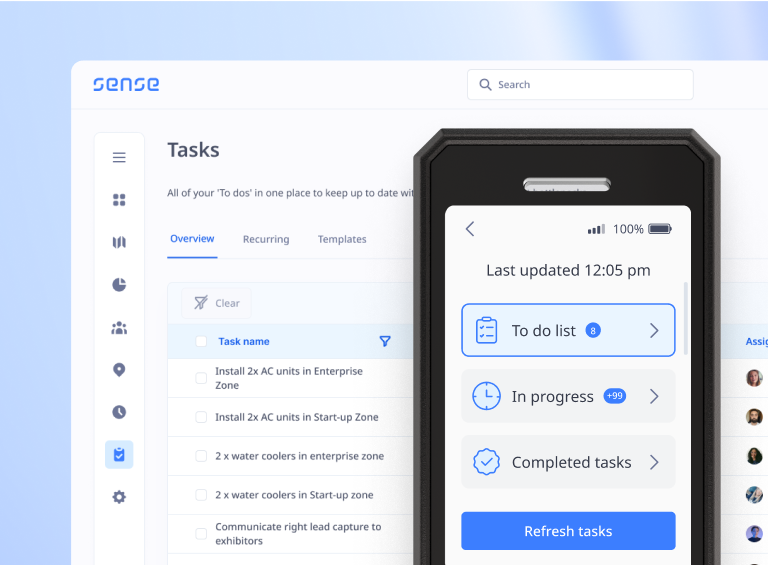
Sense keeps a record of all lone worker events, incidents, and escalations – to show exactly what systems you have in place, and exactly what you’re doing as an employer to keep your people safe. Instantly get the data you need during any investigation or audit.

Sense Workplace tracks all lone workers, inside or out, so you can always check they’re where they’re meant to be – and send help fast if something is wrong.

There are different ways to raise a red flag – manual SOS buttons, automated check-in intervals, or even heavy impact and environmental status sensors.

Decide what happens when a red flag is raised. Build custom workflows that respond to SOS calls, such as by finding the nearest colleague and pinging the location.
With custom check-in intervals and configurable alert settings, you can set your system up according to the level of risk your lone workers face.
See historical data including how your lone workers move around, and where (or when) they’re most likely to call for help, to improve processes and reduce risk.
Keep an accurate record of all incidents, and what follow-up action you took – so that you can easily respond to audit requests or investigations.
